How to Use Google Analytics for SEO on Your Business Website in 2025
Use Google Analytics for SEO: In 2025, Google Analytics continues to be an very essential tool for optimizing your business website’s SEO performance. With the introduction of Google Analytics 4 (GA4) app, the platform has transformed how your businesses track and interpret user behavior and providing you more advanced insights and a deeper understanding of how SEO impacts on your overall business goals.
If you want to boost your rankings, drive traffic and optimize your website’s performance and learning how to use this Google Analytics effectively for SEO is very critical. This guide Use Google Analytics for SEO will show you how to leverage your Google Analytics for SEO in 2025 and uncover key data that can help you to elevate your search engine optimization strategy.
Why Google Analytics is Essential for SEO in 2025

Google Analytics helps you to measure how well your website is performing in search results and provides you insights into your audience and offers you valuable information on user behavior. By using this GA4 for your SEO, you can:
- Track organic traffic and user journeys on your website.
- Understand your keyword performance.
- Identify your technical SEO issues.
- Measure your SEO-driven conversions.
- Analyze your user engagement and content performance.
With its AI-driven insights and enhanced cross-device tracking methodology, GA4 has redefined how your businesses analyze your SEO data. It focuses more on event-based tracking and machine learning insights to deliver you a better understanding of user behavior across different platforms and devices.
Getting Started with Google Analytics for SEO in 2025
Here’s how to set up and use Google Analytics effectively for your SEO strategy on your website:
1. Set Up Google Analytics 4 (GA4)
If you haven’t already setup to Use Google Analytics for SEO, ensure you’ve switched to Google Analytics 4 (GA4). GA4 is the latest version and it’s built for better integration with AI and machine learning which giving you more actionable insights.
Steps to Set Up GA4:
- Log into your Google Analytics account to Use Google Analytics for SEO.
- Create your new GA4 property or upgrade from Universal Analytics.
- Set up your tracking tags on your website (use Google Tag Manager for easy implementation).
- Integrate Google Search Console to track organic search performance of your site data.
Once GA4 is set up to Use Google Analytics for SEO, you’ll be able to access more valuable SEO data through dashboards and reports.
Key Ways to Use Google Analytics for SEO in 2025
1. Track Organic Traffic
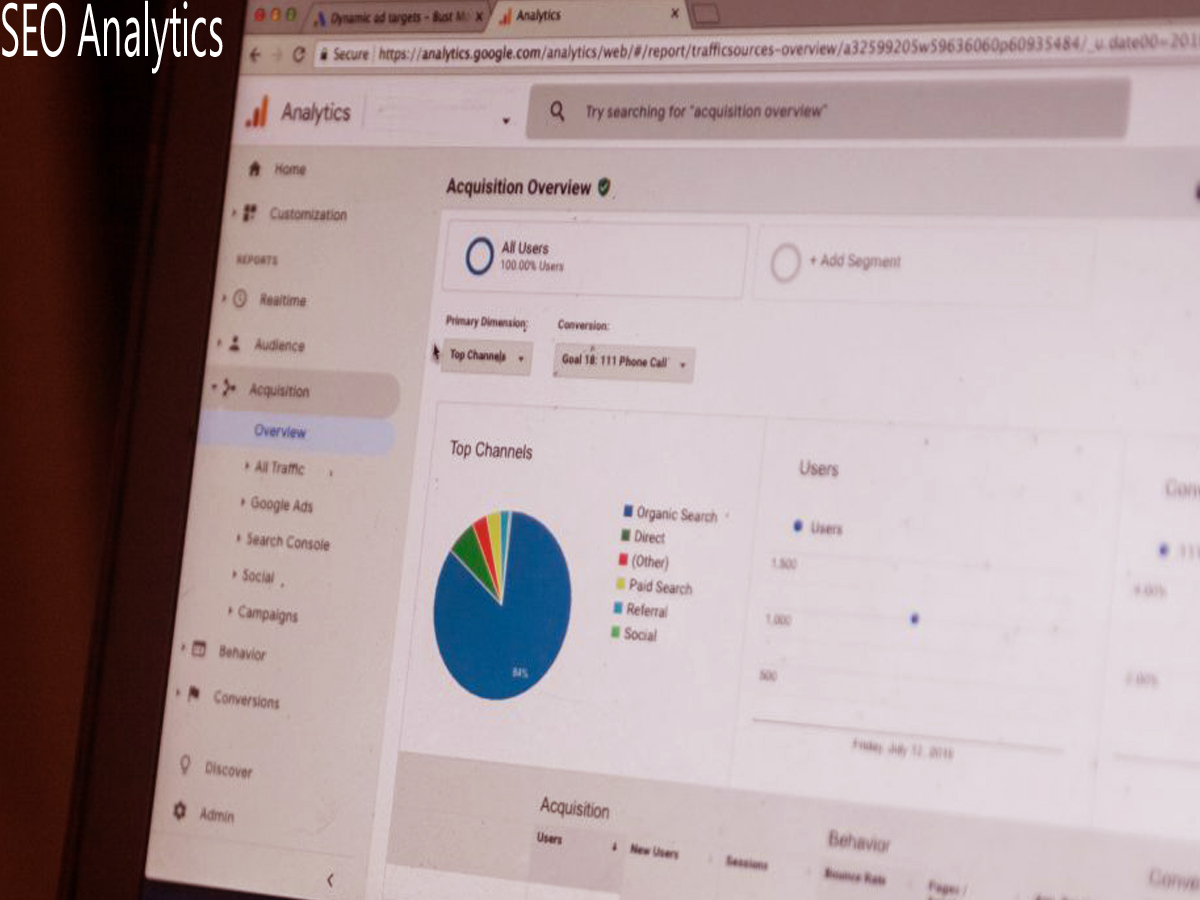
One of the primary uses of Google Analytics for SEO is to track organic traffic — you who arrive at your website from search engines.


How to Analyze Organic Traffic:
- In GA4, you can navigate to your Traffic Acquisition report.
- Filter your data by Organic Search to view your visitors who landed on your website via search engines.
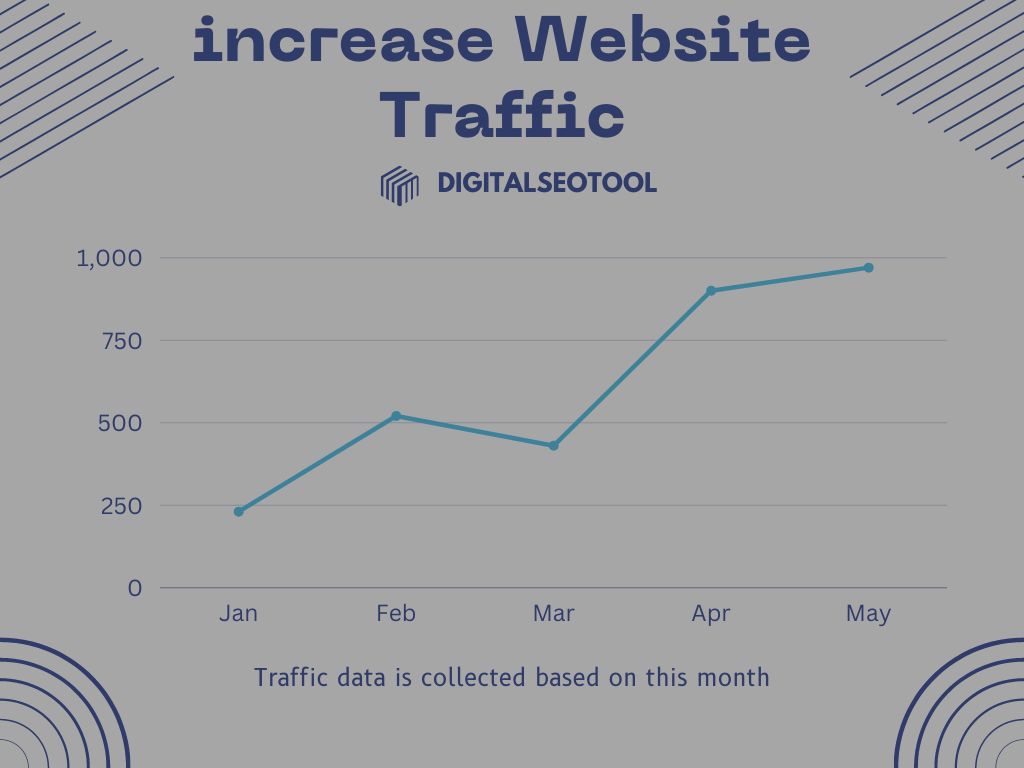
- Use this data to identify latest trends over time — whether your traffic is increasing or declining — and measure the effectiveness of your SEO efforts.
Key Insights:
- Track which pages receive the most organic traffic on your site.
- Understand seasonal fluctuations in your search traffic.
- Identify which devices (desktop, mobile) drive organic visits more on your site.
2. Monitor Keyword Performance
To understand which keywords are driving traffic to your website by Use Google Analytics for SEO, integrate Google Search Console with GA4. This integration to Use Google Analytics for SEO will show you which search queries are bringing your users to your website along with metrics like click-through rate (CTR) and average position in all search results.
How to Monitor Keywords:
- In the Acquisition section, you should go to Google Organic Search under Google Search Console reports.
- Analyze which keywords are driving the most clicks and impressions on your site to Use Google Analytics for SEO.
- Track CTR to see how effectively your meta titles and descriptions are performing in search results.
Key Insights:
- Identify your high-performing keywords and optimize further for Use Google Analytics for SEO.
- Discover your new keyword opportunities that are driving more traffic.
- Track your performance of SEO campaigns and keyword targeting by Use Google Analytics for SEO.
3. Measure User Engagement and Behavior
Understanding how your users behave once they land on your website is very crucial for SEO. Metrics like bounce rate, time on page and session duration tell you whether your content is engaging your users and keeping them on your website.
How to Measure Engagement:
- In GA4, go to your Engagement report to see metrics such as Engaged Sessions, Engagement Rate and Average Engagement Time.
- Analyze engagement metrics for your top-performing pages to see which content resonates best with your users.
Key Insights:
- Pages with low engagement or high bounce rates may need better content, CTAs or internal linking.
- Track your time on page to determine if your content is relevant and engaging enough.
- Use this data to improve your content strategy and UX for better SEO performance.
4. Analyze Content Performance
Content is at the core of your SEO and understanding which your pages or posts are driving traffic and engagement is also vital. Google Analytics helps you to track which your pages attract the most users and how well they perform.
How to Analyze Content:
- In GA4, go to your Pages and Screens report under the Engagement section.
- Sort your report by Pageviews or Engagement Time to see which your content is most popular.
- Look at individual page metrics like scroll depth and events (form submissions, video plays, etc.).
Key Insights:
- Identify your top-performing content and analyze why it’s very successful (keywords, format, UX).
- Find underperforming content and refresh it with your updated keywords, optimized meta tags or new information.
- Understand which types of content (blog posts, landing pages, videos) resonate most with your audience.
5. Track SEO Conversion Goals
One of the biggest benefits of use Google Analytics for SEO is the ability to track conversions. GA4 allows you to set up conversion goals — such as form submissions, purchases or newsletter sign-ups — and see which your traffic sources are driving those conversions.
How to Track Conversions:
- Set up your conversion events in GA4 (e.g., button clicks, page visits, form submissions).
- In your Conversions report, track how many users complete your specific action and how they arrived on your website.
- Use this data to see whether your organic traffic is converting and optimize pages accordingly.
Key Insights:
- Understand which pages drive the most conversions from organic traffic.
- Identify your keywords that not only drive traffic but also lead to conversions.
- Optimize SEO efforts to focus on high-converting pages and search queries.
6. Identify and Fix Technical SEO Issues
Google Analytics can highlight potential technical SEO issues that could be hurting your rankings such as slow-loading pages or high bounce rates. These issues can affect user experience (UX) which Google increasingly prioritizes in its rankings.
How to Identify Technical SEO Issues:
- Use your Page Speed Insights integration in GA4 to monitor your loading times across your website.
- Track your pages with high bounce rates or short average session durations — they may have technical problems like slow speeds or poor mobile responsiveness.
- Set up your alerts for sudden drops in traffic or engagement which may indicate technical issues like broken links or indexing problems.
Key Insights:
- Speed up your slow pages to improve SEO and user experience.
- Ensure mobile optimization to maintain rankings for mobile searches.
- Fix broken links, missing meta tags or crawl issues that affect search visibility.
Tips for Optimizing SEO with Google Analytics in 2025
- Utilize AI Insights: GA4’s machine learning features provide you automatic insights on traffic trends, user behavior and potential SEO improvements.
- Focus on User Experience: Metrics like Core Web Vitals, engagement rates and page speed are now critical ranking factors. Use GA4 to monitor and enhance your user experience.
- Set Custom Reports: Create your custom dashboards in GA4 to track SEO-specific metrics that matter most to your business like organic traffic growth, keyword performance and conversion rates.
Conclusion: Use Google Analytics for SEO in 2025
Use Google Analytics for SEO in 2025 means leveraging your power of GA4’s AI-driven insights, user behavior tracking, and comprehensive data analysis to improve your search engine rankings. By tracking your organic traffic, monitoring keyword performance, analyzing user engagement and fixing technical SEO issues, you’ll be able to make your informed decisions that boost your SEO efforts by the Use Google Analytics for SEO.
Whether you’re just starting with SEO or looking to refine your existing strategy, Google Analytics remains a cornerstone for understanding what’s working and what needs improvement on your business website to Use Google Analytics for SEO.
You may Join Us on Social Media:
- for new Updates: Facebook PageJoin Our
- Join Us on Google to get new Updates:
- Join Us on Pinterest to get new Updates:
- to get new Updates: Twitter us on
List of SEO Analytics Tools to Measure Website Analytics in 2025
Which is better SEO for social media marketing in 2025?
What Is White-Hat SEO? Full guide for biggeners 2025
How Social Media and SEO Work Together in 2025
What Is Black Hat SEO? Full guide for biggeners 2025
Best SEO Software for Your Website and Online Store in 2025
Best SEO Apps for Your Business Website and Online Store in 2025
List of SEO Analytics Tools to Measure Website Analytics in 2025
What is Mobile SEO and How Does It Work for Ranking in Your Business Website in 2025?