What technology is used in face recognition?
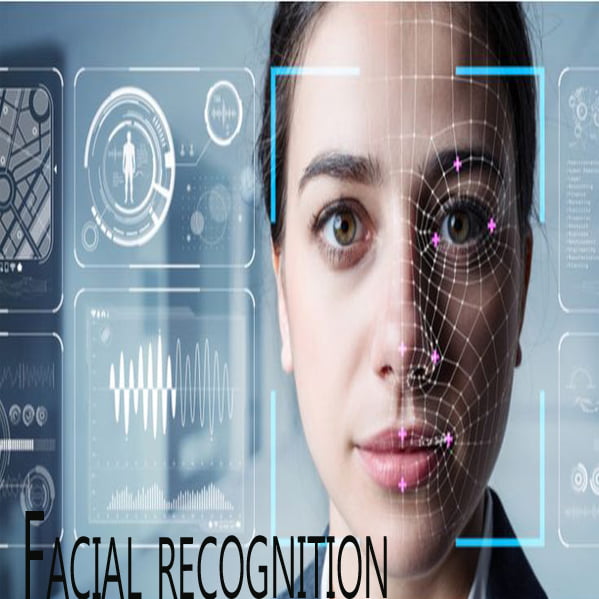
Face recognition technology has evolved significantly over the past few decades, leveraging advancements in artificial intelligence, machine learning, and computer vision. This technology is now widely used in various applications, from security and law enforcement to consumer electronics and social media. Understanding the technology behind face recognition can provide insight into how it works and why it has become so prevalent.
Face recognition
Core Technologies in Face Recognition
Image Acquisition
The first step in face recognition is capturing an image or video of a person’s face. This is typically done using digital cameras or smartphone cameras, which convert the visual information into digital data. High-resolution images are preferable as they provide more detailed data points for subsequent analysis.
Face Detection
Once an image is captured, the next step is face detection. This involves identifying and locating human faces within the image. Face detection uses algorithms to scan the image and detect facial features. The most common method for face detection is the Viola-Jones algorithm, which uses a cascade of classifiers to detect faces quickly and accurately. More advanced methods now use deep learning techniques, such as convolutional neural networks (CNNs), to improve detection accuracy and speed.
Feature Extraction
After detecting a face, the system extracts relevant features from the facial image. This process involves identifying key landmarks on the face, such as the eyes, nose, mouth, and jawline. These landmarks are used to create a unique facial signature or template. Techniques like Principal Component Analysis (PCA), Linear Discriminant Analysis (LDA), and Local Binary Patterns (LBP) are commonly used for feature extraction. Modern systems often use deep learning models, such as CNNs, which can learn complex patterns and representations from large datasets.
Face Matching
These algorithms analyze the facial features and compute similarity scores to determine if there is a match. Commonly used algorithms include Support Vector Machines (SVMs), k-nearest Neighbors (k-NN), and deep learning models like Siamese networks. These models have been trained on vast datasets to improve their accuracy and performance.
3D Face Recognition
Traditional face recognition systems rely on 2D images, which can be affected by changes in lighting, pose, and facial expressions. To overcome these limitations, 3D FR technology is used. This technology captures three-dimensional data of the face using depth sensors or structured light scanners. 3D models provide more detailed and invariant representations of the face, making the recognition process more robust and accurate. Techniques such as 3D morphable models and point cloud matching are used to process and analyze 3D facial data.
Neural Networks and Deep Learning
The advent of deep learning has revolutionized FR technology. Deep neural networks, particularly CNNs, have demonstrated remarkable performance in recognizing faces. These networks consist of multiple layers that learn hierarchical representations of facial features. By training on large datasets, deep learning models can generalize well to new and unseen faces. Transfer learning and data augmentation techniques are also employed to enhance the performance of these models.
Face Recognition APIs and Software
Numerous APIs and software solutions are available that leverage the aforementioned technologies to provide face recognition capabilities. These solutions offer easy-to-use interfaces for integrating face recognition into various applications. Popular FR APIs include Microsoft Azure Face API, Amazon Rekognition, Google Cloud Vision API, and Face++. These APIs provide functionalities such as face detection, verification, and identification, making it accessible for developers to implement FR in their projects.
Applications of Face Recognition Technology
Face recognition technology has a wide range of applications across different industries:


Security and Surveillance: FR is extensively used for security purposes, such as access control, surveillance, and monitoring. Airports, public transportation, and government buildings employ face recognition systems to enhance security and identify individuals on a watchlist.
Law Enforcement: Police departments use face recognition to identify suspects and solve crimes. By comparing images from crime scenes with databases of known criminals, law enforcement agencies can quickly and accurately identify perpetrators.
Consumer Electronics: Smartphones, laptops, and other consumer devices use FR for user authentication and access control. Apple’s Face ID and similar technologies have become popular for unlocking devices and authorizing payments.
Retail and Marketing: Retailers use face recognition to enhance customer experience and personalize marketing efforts. By recognizing repeat customers, stores can offer tailored recommendations and improve customer service.
Healthcare: FR technology is used in healthcare for patient identification, monitoring, and diagnosis. It can help identify patients, track their health records, and even diagnose certain medical conditions based on facial features.
Challenges and Ethical Considerations
Despite its advancements and applications, FR technology faces several challenges and ethical considerations:
Privacy Concerns: The use of face recognition raises significant privacy issues. The collection and storage of facial data can lead to surveillance and tracking without individuals’ consent. There is a risk of misuse by both government agencies and private organizations.
Bias and Fairness: Face recognition systems can exhibit bias, leading to unequal treatment of different demographic groups. Studies have shown that these systems may have higher error rates for certain races, genders, and age groups, which can result in discrimination.
Regulation and Governance: The rapid adoption of face recognition technology has outpaced the development of regulations and standards. There is a need for comprehensive laws and guidelines to govern the use of face recognition and protect individuals’ rights.
Conclusion
In conclusion, face recognition technology combines various advanced techniques, from image acquisition and face detection to feature extraction and deep learning. Its applications are vast and impactful, yet it comes with challenges that must be addressed to ensure ethical and fair use. As the technology continues to evolve, striking a balance between innovation and responsible use will be crucial for its future development.
Must Read Out The Recently Published Story:
You May Also Join Us On:
- Follow Us on Instagram for daily Updates:
- Join Us on Twitter to get daily Updates:
You May Also Like the Updated Posts Below:
Can you stay fit with yoga?
What are 10 tips for good health?